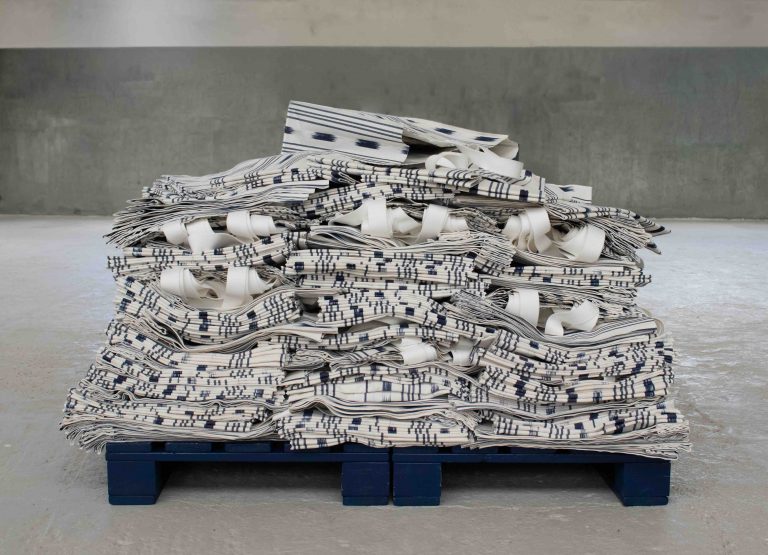

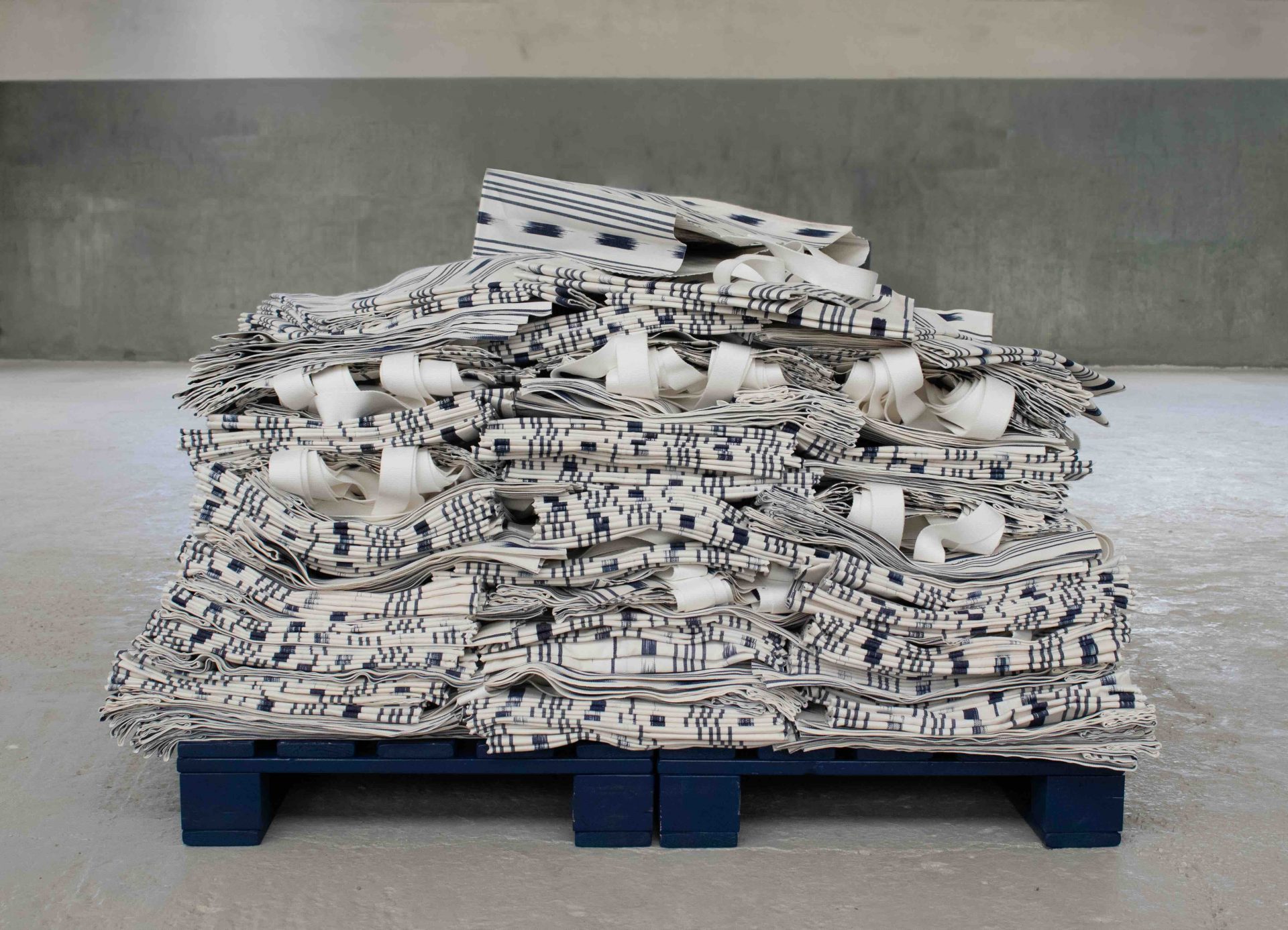
The evolution of our icon.
For years, we saw it moving through corridors and trade fairs. For many of us, it was simply “our usual gadget”. Then we began to look at it differently.
We started treating it with the attention usually reserved for precious pieces, wrapping it with extreme care, as the great maisons do. And yet, we felt something was still missing: a soul that could go beyond the fabric, beyond its appearance.
Today, we have decided to take a step that moves us deeply.
Our bag will never change its shape — for us, it is an icon, and as such, it remains untouched — but it will become a vessel for worlds far from our own.
We have come to understand that doing well what we already know how to do is no longer enough. We felt the need to step outside our usual patterns and begin telling real, human, tangible experiences.
“This is how our bag ceases to be an object and becomes a story.
And the one we are about to tell you is the very first.”
Chapter #1: w/ Associazione Kibarè & Fili di Luce project
Our first story begins in Burkina Faso, the “Land of Upright People”. A name that already tells a philosophy of life in itself.
In this corner of Africa, fabric is not just matter: it is Faso Dan Fani, meaning “the fabric of the homeland”, an element that represents the deep cultural identity of an entire people.
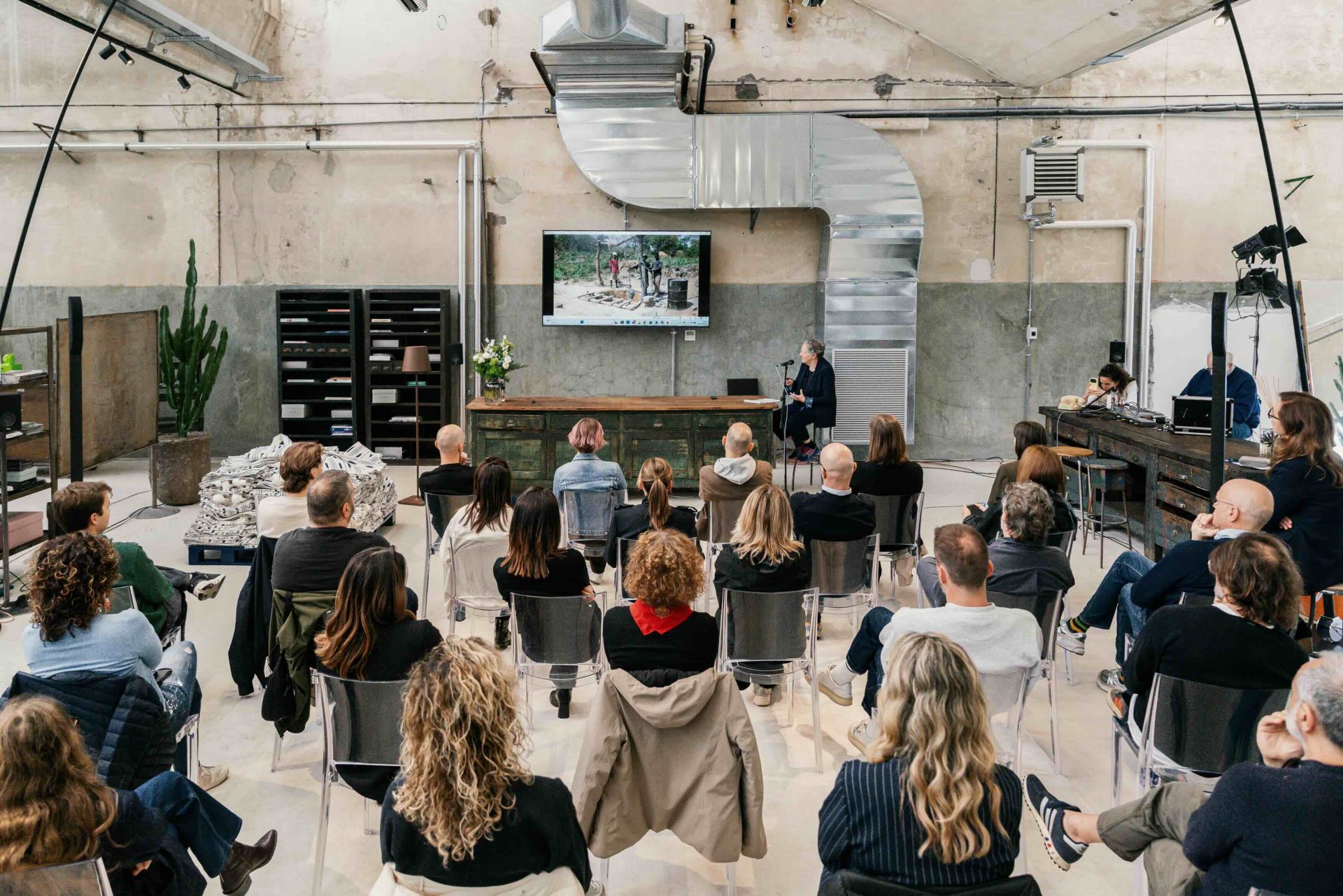
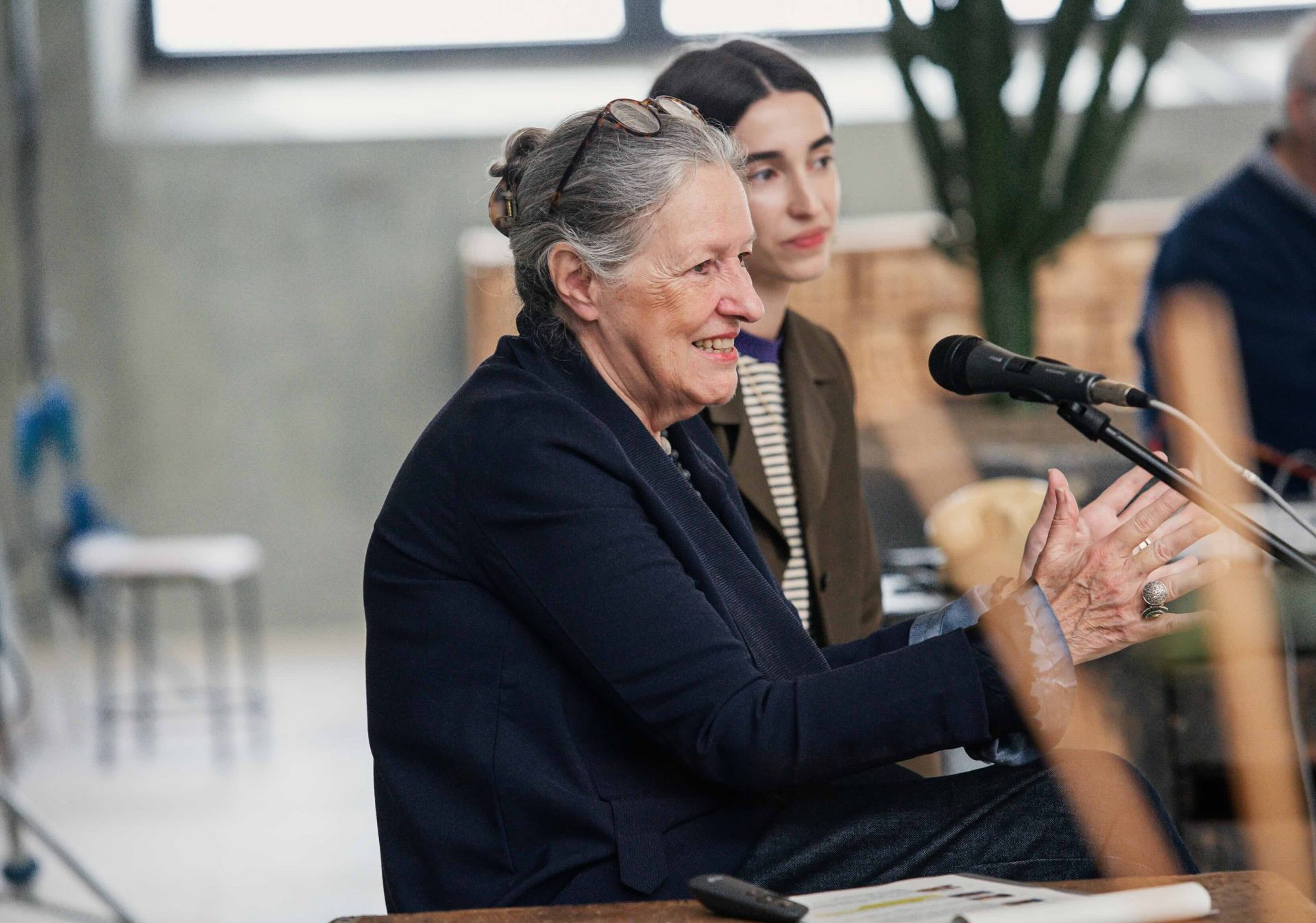
Our encounter with this land did not happen by chance. It was made possible thanks to Bibi Ronchi, whose sensitivity and broad vision introduced us to an extraordinary initiative: Fili di Luce project, carried out by Associazione Kibarè.
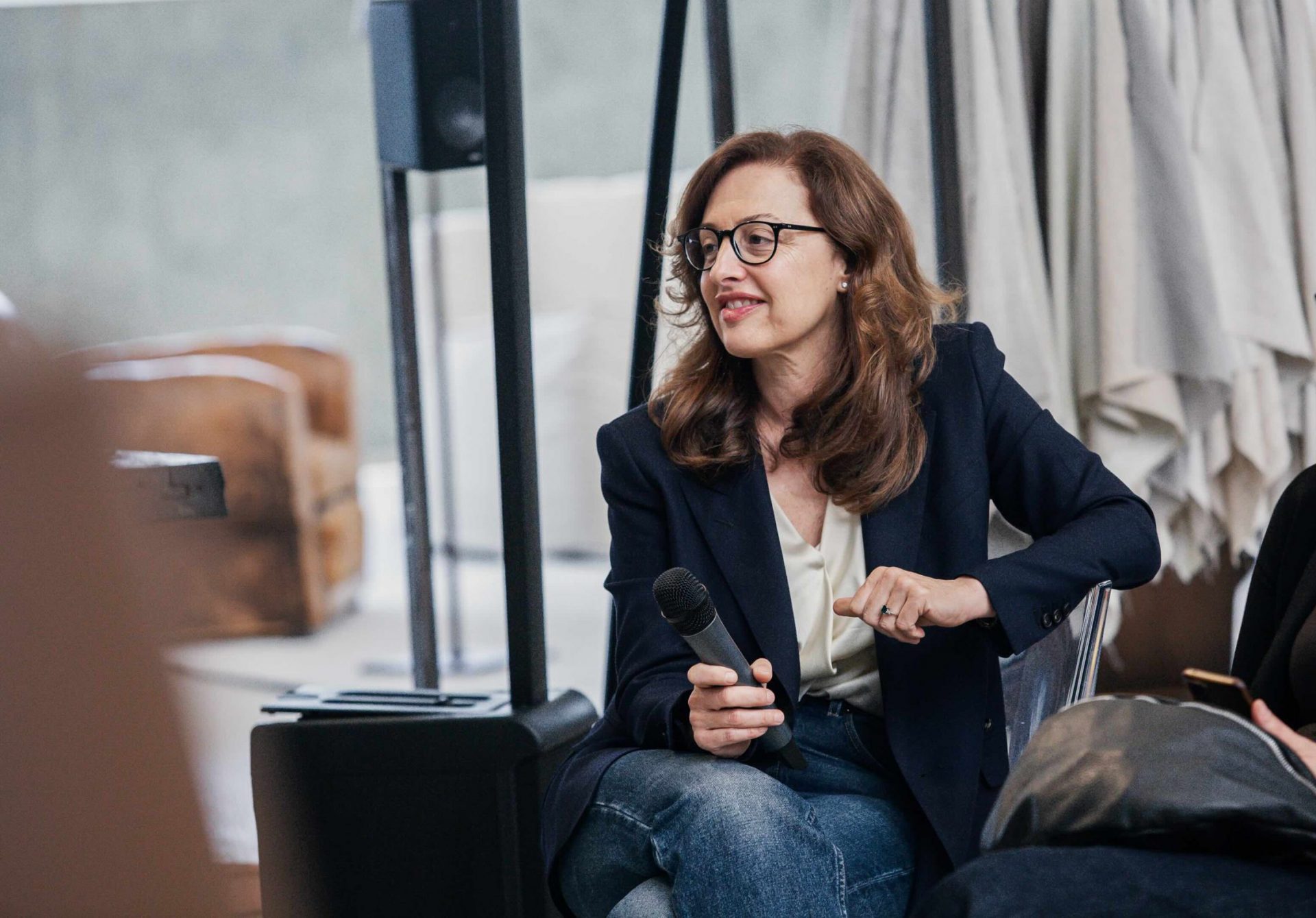
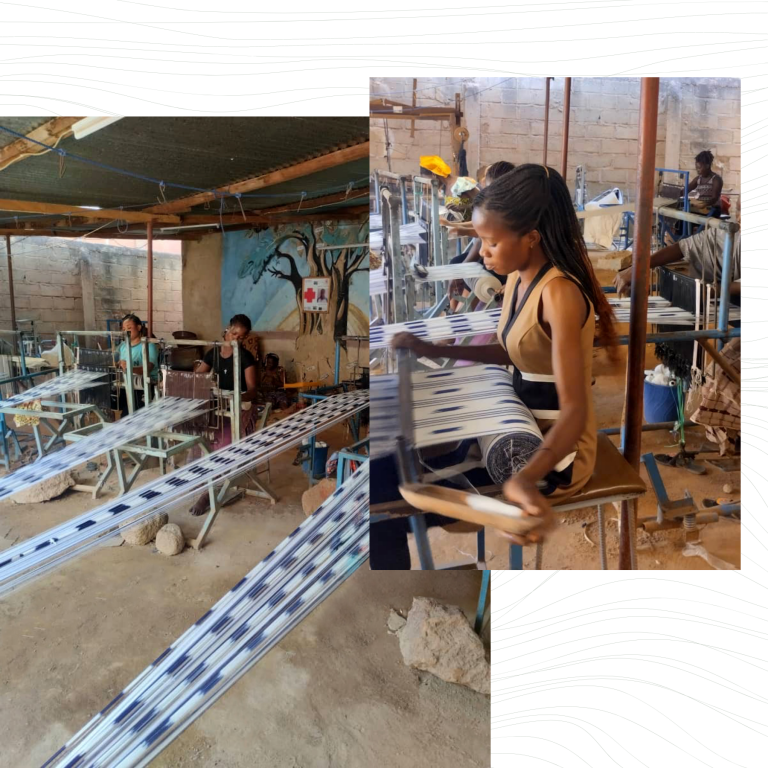
It was precisely the great work of this association, in collaboration with the APEPF textile centre led by director Alice Ouedraogo, that made it possible to train the young women who took part in the project.
From the very beginning, the goal of Fili di Luce was clear: to support a group of women in becoming independent by enhancing the value of their traditional knowledge.
Today, thanks to their efforts, a cooperative has been established: a solid, self-managed reality that provides daily work for around twenty women, between weaving and dyeing.
What was our role in all this?
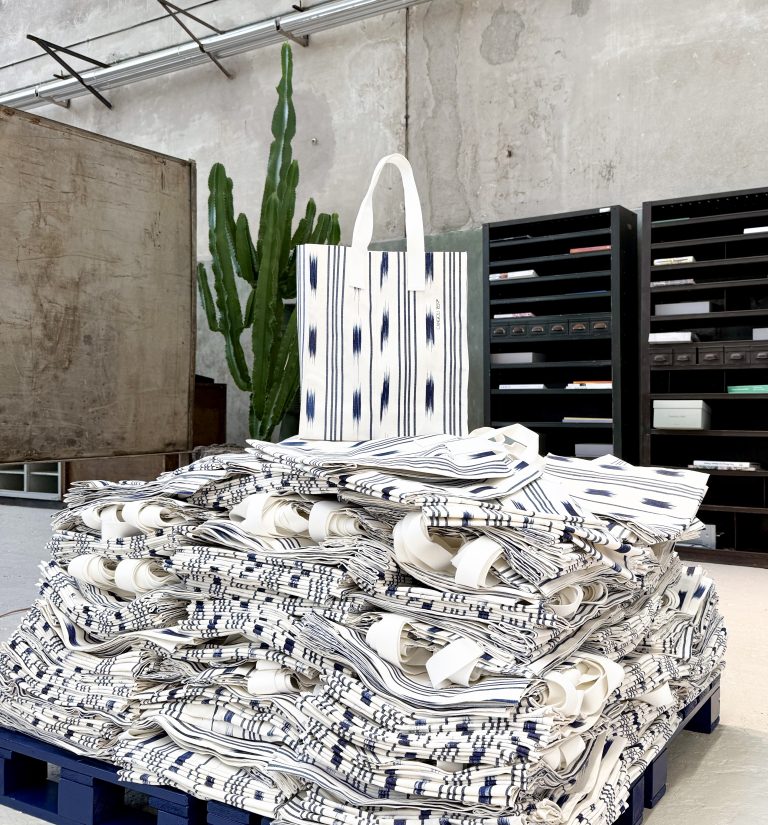
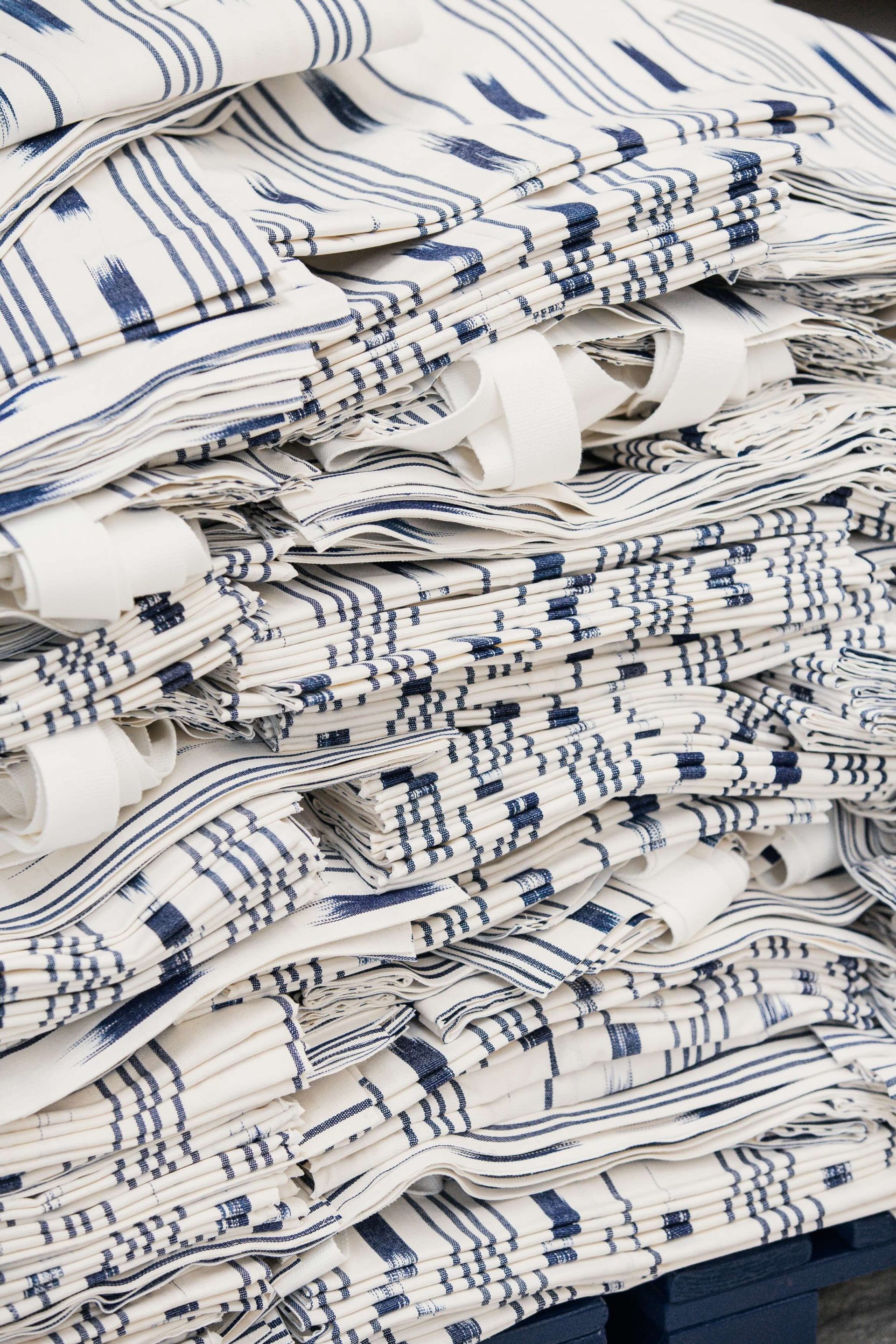
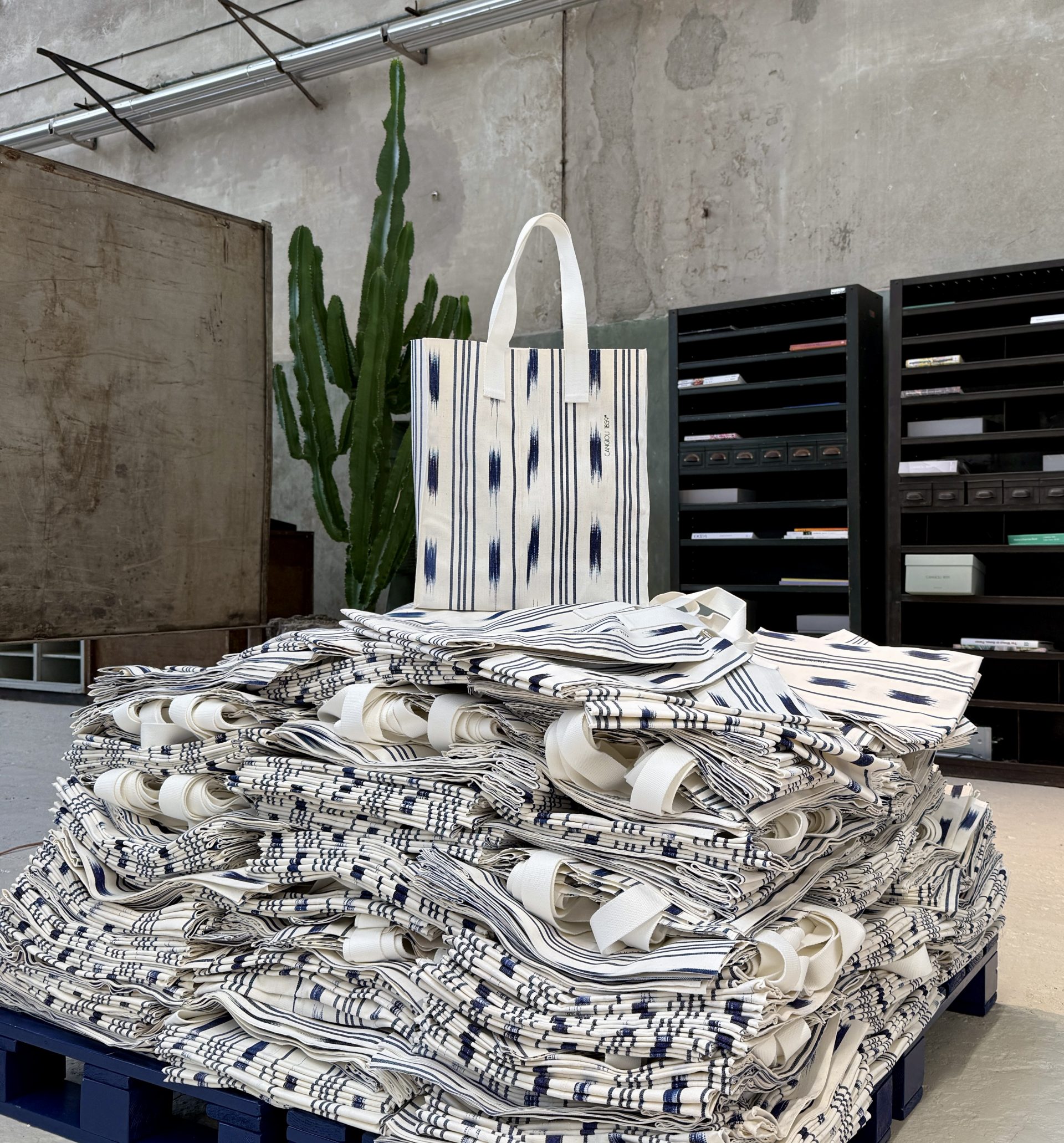
We entered, with great respect, into a journey that was already virtuous, and commissioned 500 limited-edition bags, asking these artisans to weave their threads for us.
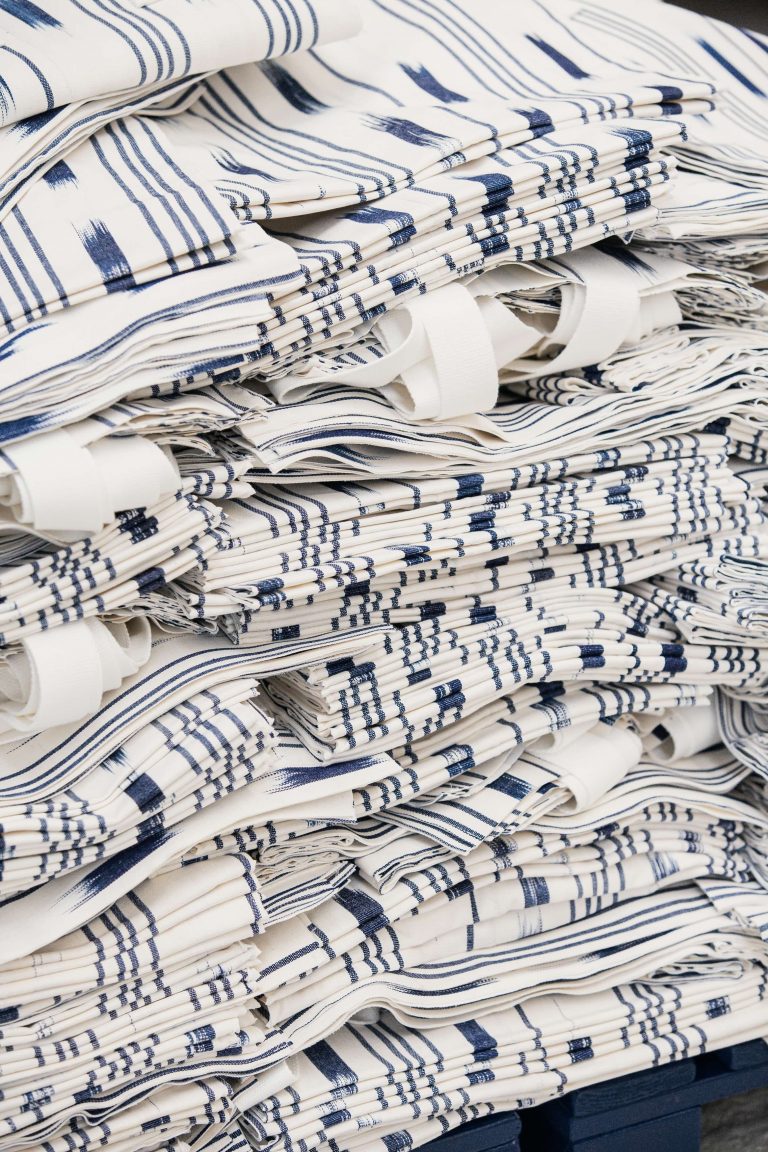
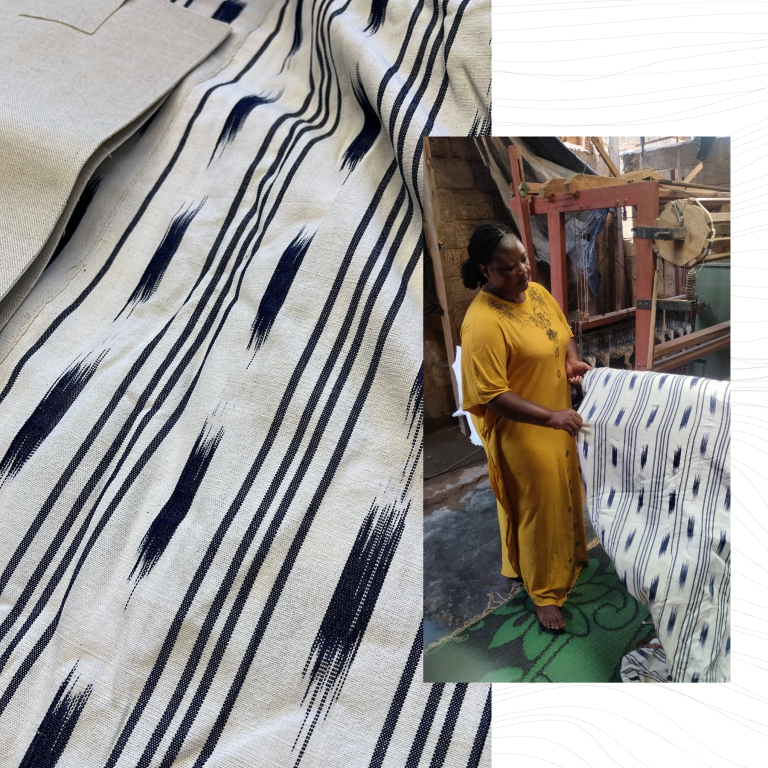
It was a challenge for them as well: they adapted their way of working to unusual volumes, bringing our needs into dialogue with the ancient technique of ikat, handed down from generation to generation. A complex and precise process, in which certain parts of the thread are protected from the colour so that the final pattern only emerges after weaving.
For two and a half months, they worked on every detail: the construction of the zigzag motifs, the weaving, the sewing.
And today, every bag carries this energy with it. The time, the care, the story of the hands that made it possible.
“…Now it passes from hand to hand and sets off to discover the world.”
Credits
Associazione Kibarè ETS, for welcoming our proposal and opening the doors to a story we are happy to share.
Marialuisa Bibi Ronchi e Marta Gianotti, who created the bridge between us and the realities of Kibarè and Fili di Luce.